
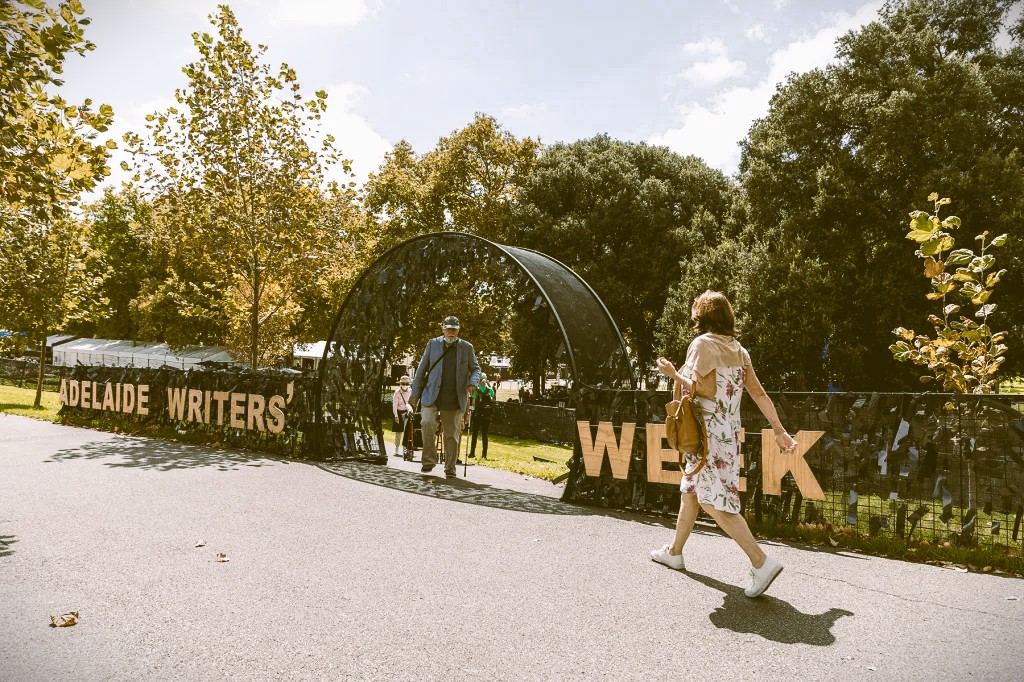
The Adelaide Festival is South Australia’s premier arts festival held annually for over 50 years and now something of a marvel for its draw of Australia’s (and some of the world’s) best creatives. It really is a set of film, music, literary and visual arts events that have spawned related events principally funded by the SA government and capitalized by many local businesses and associations.
It was a bombshell surprise when earlier this year the Adelaide Writer’s Week garnered so much controversy that it was ultimately cancelled, that is after attracting a crowd of over 160,000 to its 2024 edition. Such happenings are just a tiny reflection of how political phenomena around the globe often many thousands of kilometers away are affecting what are the pleasant and light-hearted pursuits of the first world, developed there in an effort to foster co-existence, solidarity and a sense of community.
These are, shall we say, the luxuries afforded by societies that have long espoused a secular and egalitarian outlook. They are supported by constitutions that have taken hundreds of years to refine at great cost. They include unwritten rules of our society which every citizen has the obligation to uphold but in turn rewards them with great freedoms.
These are principles that Randa Abdel-Fattah, a Sydney-born writer and lecturer of Palestinian-Egyption origin, muslim and herself a beneficiary of such a system after 46 years of living in Australia, conveniently denies others. She betrayed those tenets, decided to institute and apply retrograde assessments to place her interests over those of the hundreds of attendees, promoters and dignitaries of the 2026 edition of the Writer’s Week. She behaved in a manner that is abhorrently un-Australian and all the while aware of crossing the line.
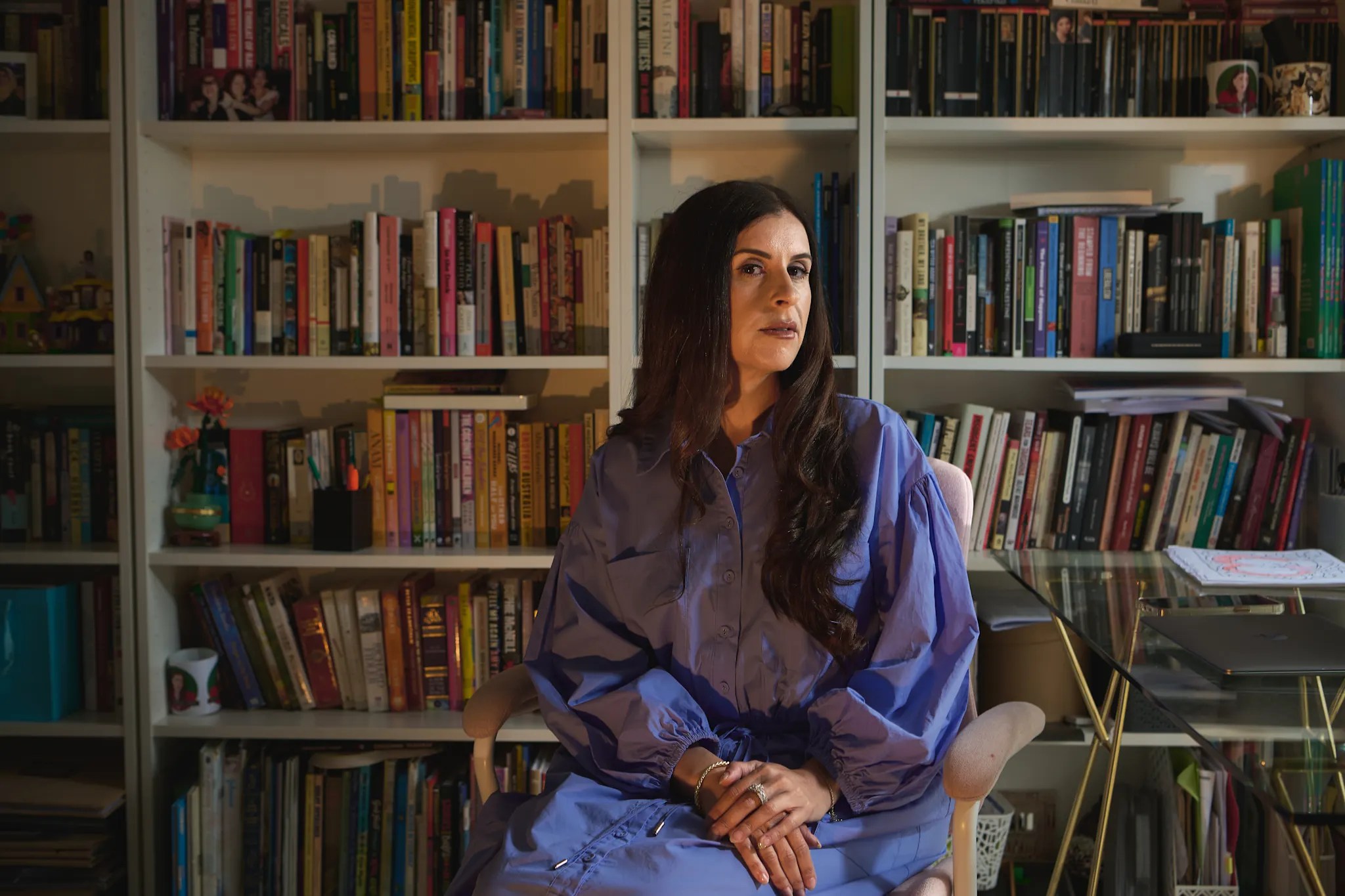
And the reference to “her interests” is actually to the who and what she represents. Long an apologetic of the Palestinian cause and typical of anyone who steps off the path of moderation, she finally buckled after being dis-invited by the Board of the Adelaide Writer’s Week, post-Bondi, on the grounds of “cultural sensitivity”. She quickly used the race card to accuse them of “blatant and shameless anti-Palestinian racism”, hypocrisy which she is guilty of. She has said of this, “To collapse a festival in, like, three or four days, and to show that community outrage over power? I mean, come on! This is exciting”.
To collapse a festival in, like, three or four days, and to show that community outrage over power? I mean, come on! This is exciting
That accusation quickly developed into a parallel debate on the correctness of the Board’s decision as experts weighed in on the fundament of the removal. They said that the Board, largely composed of people with not enough experience in arts and public media management ceded to the opinions given by politicians. Race was not one of the reasons for the Board’s decision.
Unsurprisingly, and through the likely backing of pro-Palestine groups, Randa threatens to take the monumental step of suing SA premier Peter Malinauskas for defamation. She says he placed undue pressure on the Board to withdraw her from the event. It is a move designed to prolong the discussion around the controversial matter and sow even further divisions.
The trouble with such incendiary pronouncements is that it sets the undertone and removes the possibility of having a civilized debate. Trivial matters easily resolved through discussion become fair game for conflict. Randa was clearly in the wrong as she transitioned from a respected, accolade-earning academic to a mic-toting aggressor, all while in the view of the public and her book “Discipline” is the backstory of her psychopathy.
It took the appointment of an entirely new Board, cornered and fearful of public retribution to invite Randa back to the 2027 edition. No one should be amazed that people will easily scuttle away when their reputations are on the line, even guilt by association could spell the end of a public figure’s career.
The jury is still out as to whether they left in support of Randa or as a matter of saving their own prestige. No sooner had the majority of the invitees announced their withdrawal than the event was axed. This calculative move by Randa is exemplary of so many of our so-called activists, devoid of moral sensibility ever ready to stoop to the lowest level at the expense of society.
Dennis Muller, a professor of media ethics at the University of Melbourne, classified it as essentially a debate over who has the right to be heard.
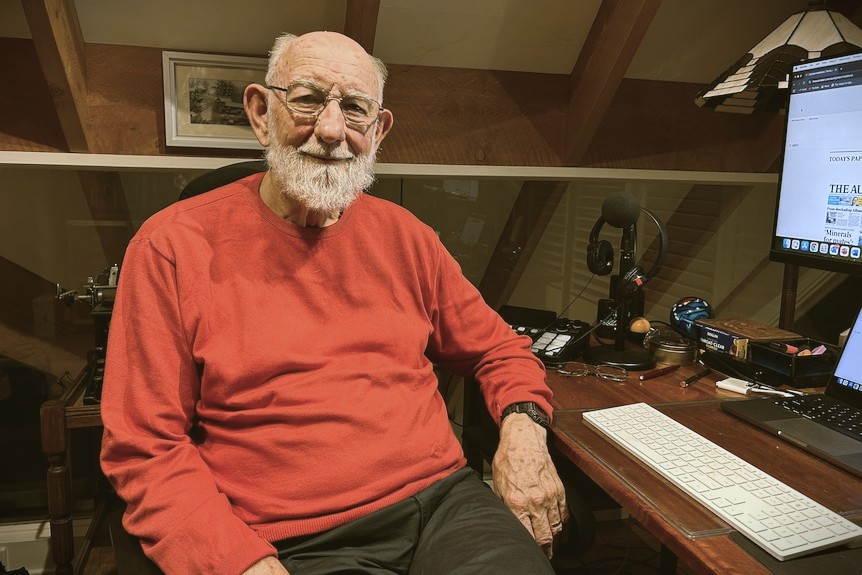
Speaking to the ABC News Daily podcast he made reference to the Australian journalist Peter Greste who was kidnapped in Egypt in 2013. Peter Greste explained, “it is playing into the hands of the terrorists, their objective is to destroy what we call the grey zone, this zone between the extremes of black and white where we expect to have civilized debate on matters of contention…”. By removing the safe space, we put ourselves in a position of perpetual and sustained conflict.
Peter Greste explained that it is playing into the hands of the terrorists, their objective is to destroy what we call the grey zone, this zone between the extremes of black and white where we expect to have civilized debate on matters of contention.
The news coming from Australia is that Randa has been invited to NSW’s Literary Festival in 2026 – the director and executive of that festival claim “freedom of expression as a core value”. But one has to wonder if it changes anything of what is known publicly of Randa now, a purveyor of dissension who takes great amusement in destruction – perhaps even a terrorist. In revisiting the right of freedom of speech which of course is not absolute, we must understand that there are limits. Those limits are enshrined at the point at which our speech begins to cause harm to others.
 Terra Velha