
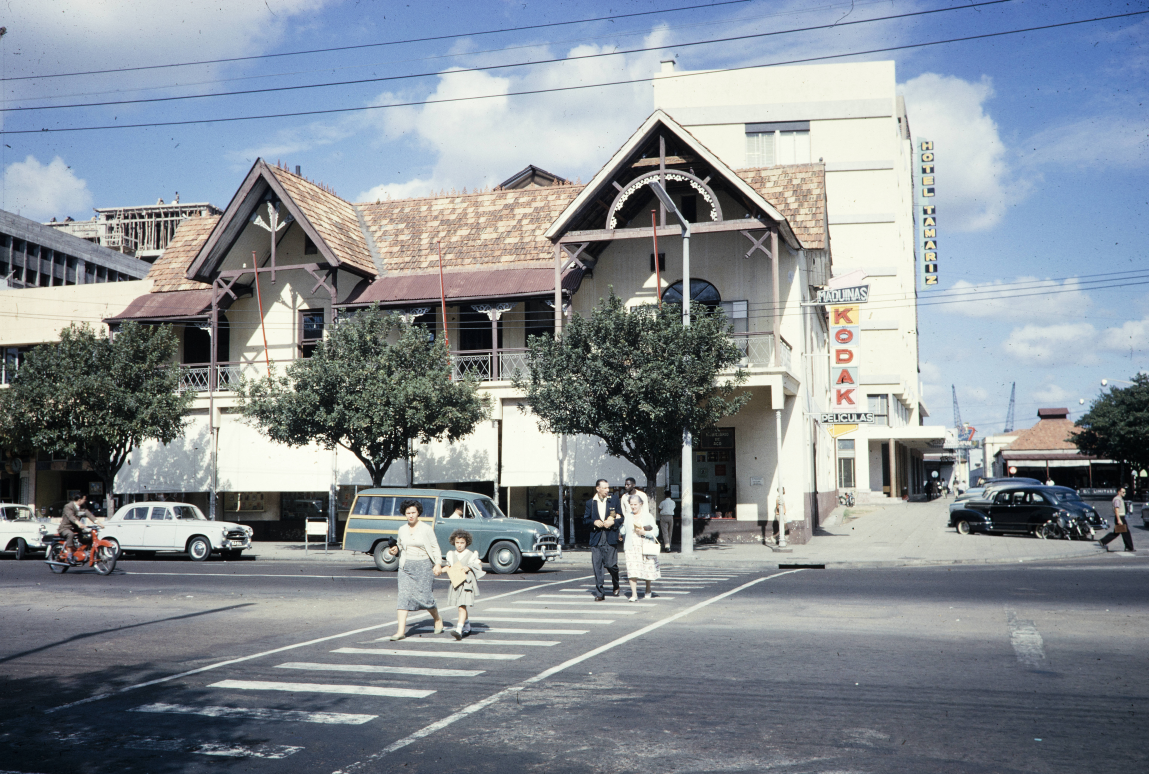
 No other film emulsion became as successful as Kodachrome. For 74 years it was the choice of not only consumers, filmmakers but even journalists, much loved for its romantic color reproduction and durability. The last roll was manufactured in 2009 and given to Steven McCurry, a prominent journalist of the National Geographic who made a movie on the last 36 exposures.
There was some hope a few years ago that Kodachrome would make a comeback but Kodak later clarified that the development process is too complex making it simply unviable and even dangerous for amateurs to self-develop. The resurgence of film photography has had to make do with other offerings including the Ektar and Porta (from Kodak) while still popular are much different to what was offered by Kodachrome.
So coveted is the Kodachrome look that there are now even options for presets and profiles which simulate the effect and although very convincing cannot match the elusive qualities that could be once had directly from a roll of Kodachrome. There are also now communities of film aficionados that careful scan old negatives using purpose-built equipment made available under creative commons licenses on the internet much to the delight of old and young sleuths.
 Volkmar Wentzel who was a journalist and photographer for the National Geographic magazine captured the above photo of a street parade in Guadalajara, Mexico. He seems to have been quite popular in the 1950s-1960s capturing these scenes on Ektachrome and Kodachrome.
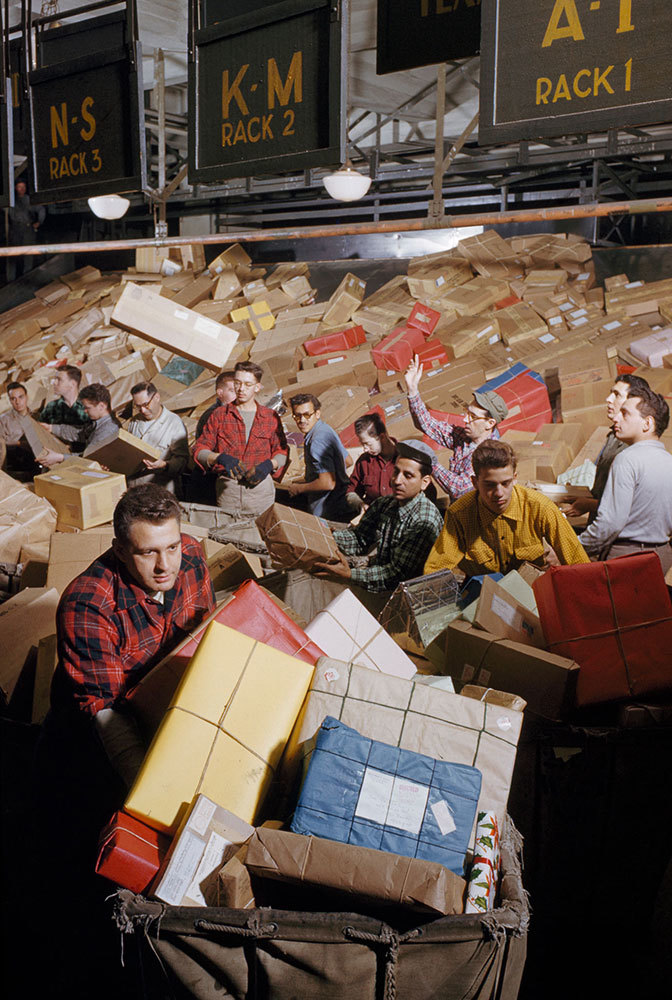
The film provides good saturation and exposes details in the shadows quite well. Greens and reds are highlighted and blues are sensitive to the sky’s natural gradient; very much adapted to how the eye would find an image pleasing. The image below is by Volkmar Wentzel for National Graphic Magazine, capturing the mailroom at a New York post office in 1954.
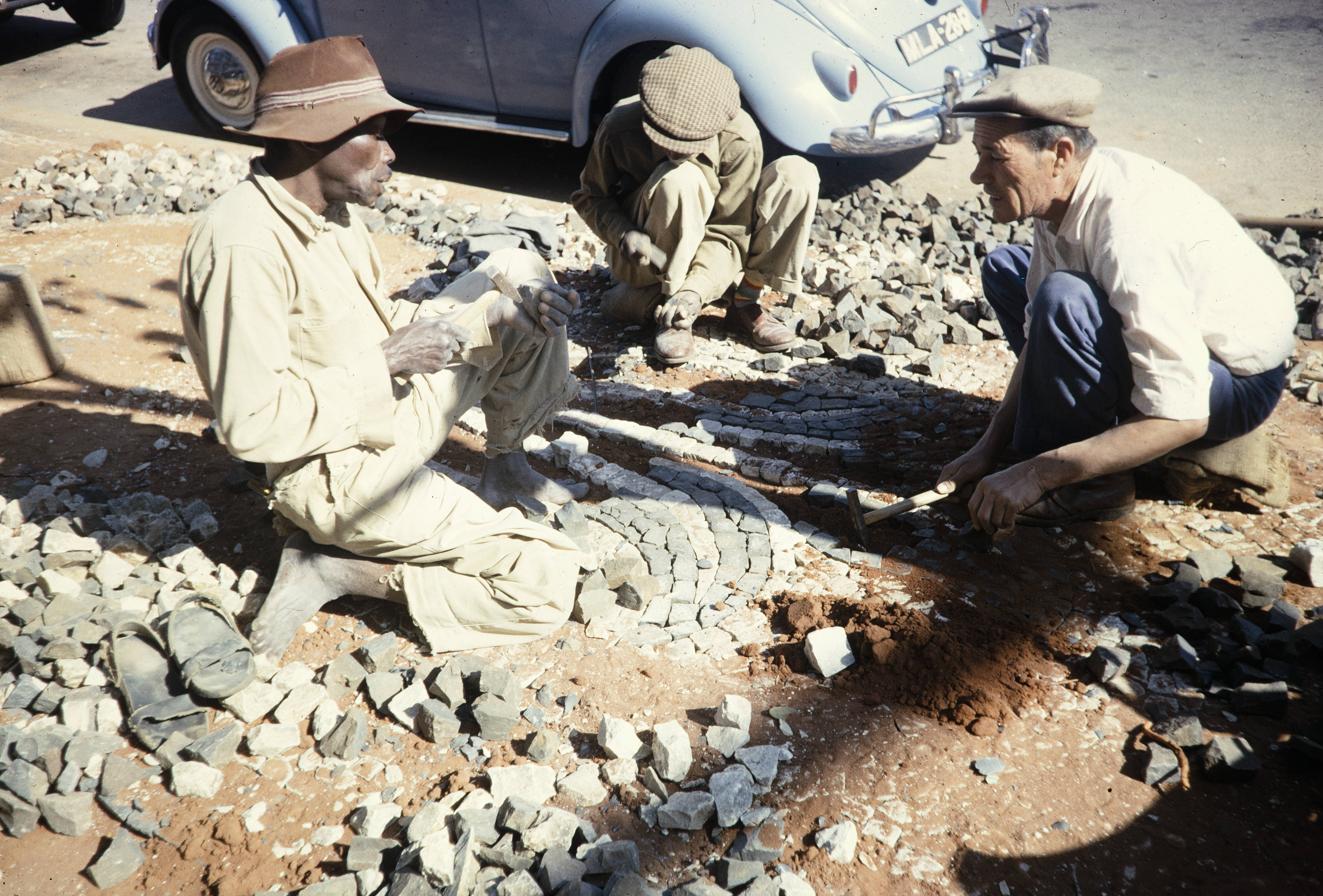
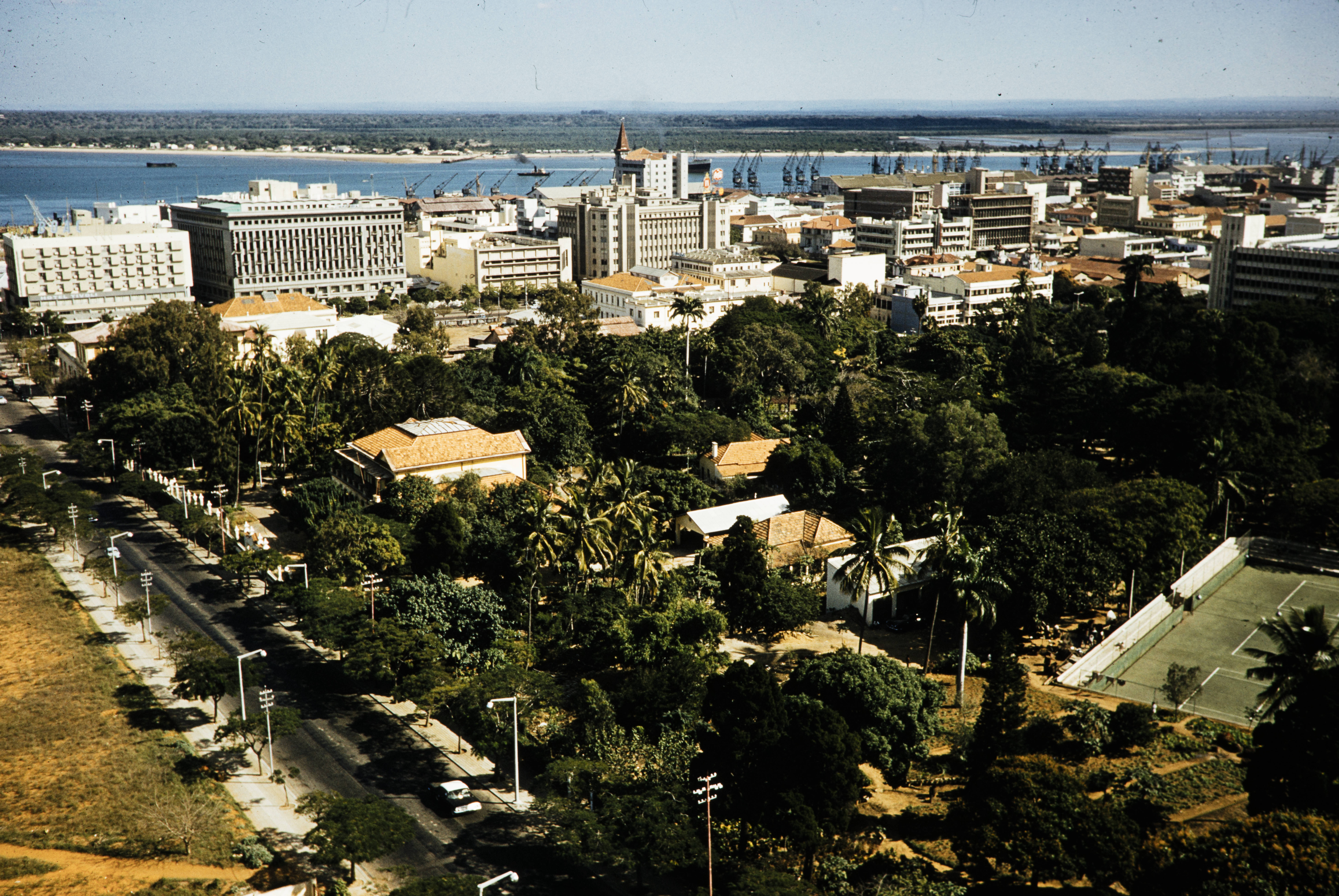
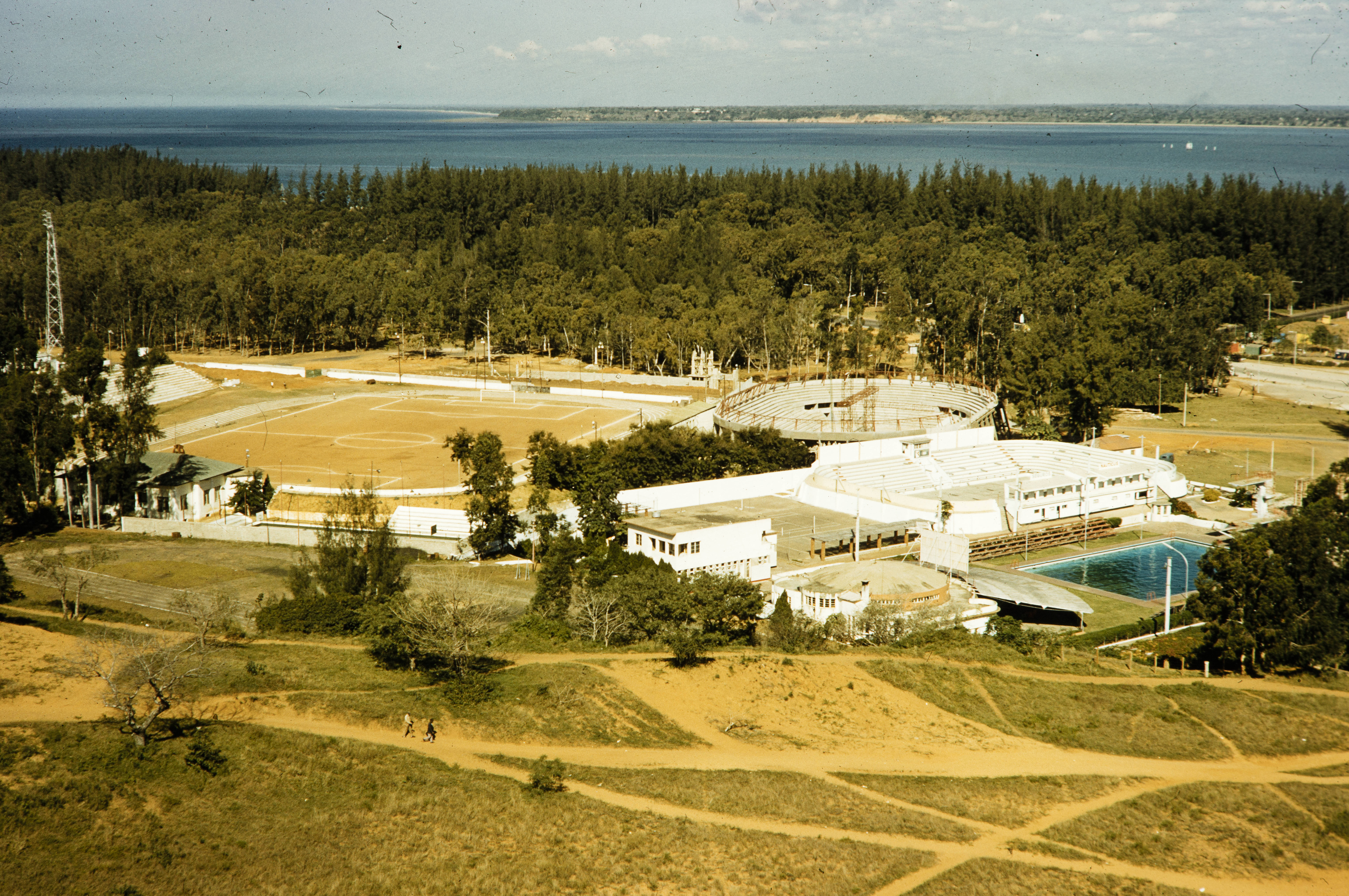
 Harrison Forman should be a name familiar to anyone who has read the history of Mozambique. Born in 1904 he made a career out of photography and journalism and to some extent film-making. Working on assignments for The New York Times and National Geographic took him to various corners of the world. Some highlights of his career include an interview with Mao Zedong, a communist revolutionary and founder of the People’s Republic of China.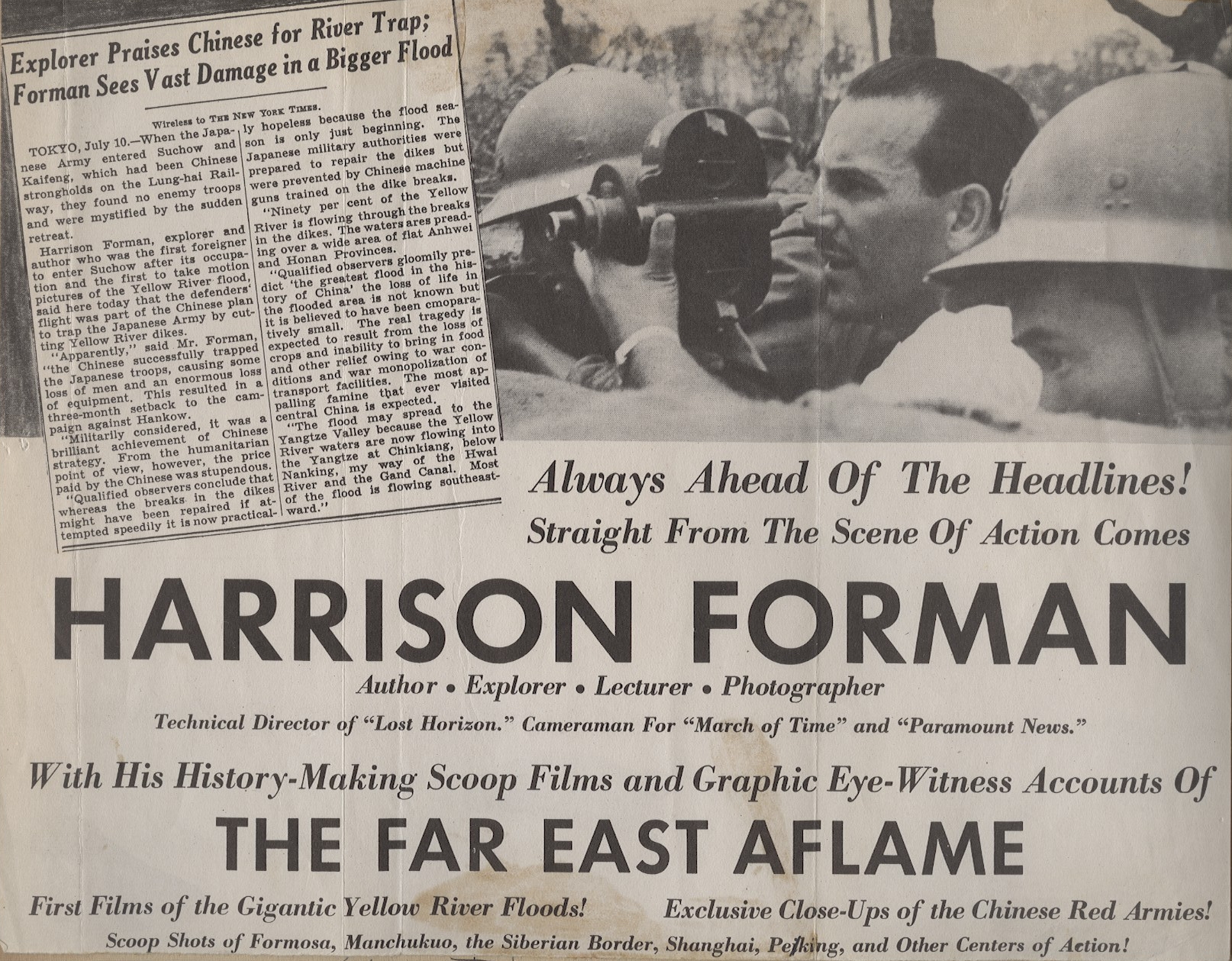
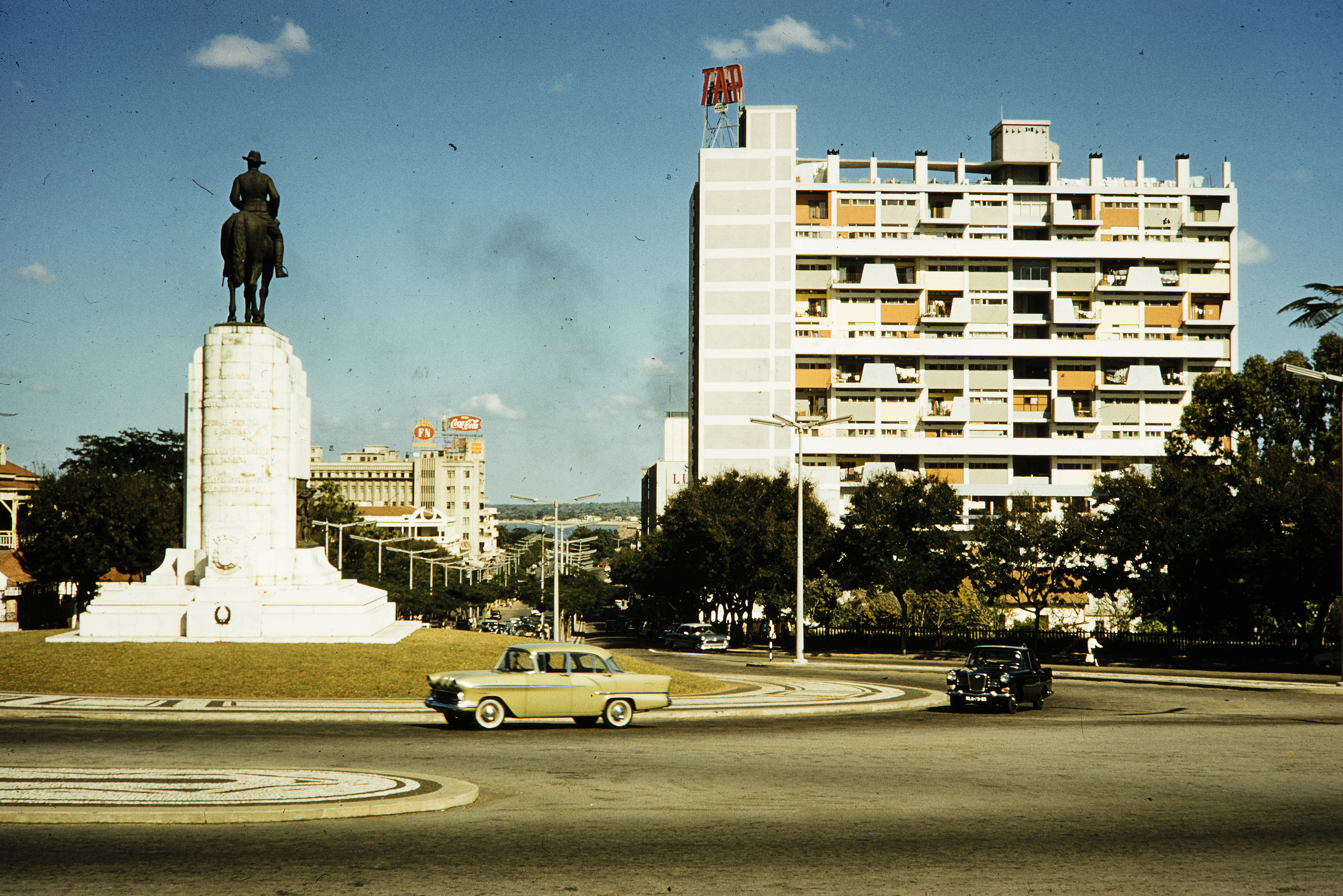
 Terra Velha