
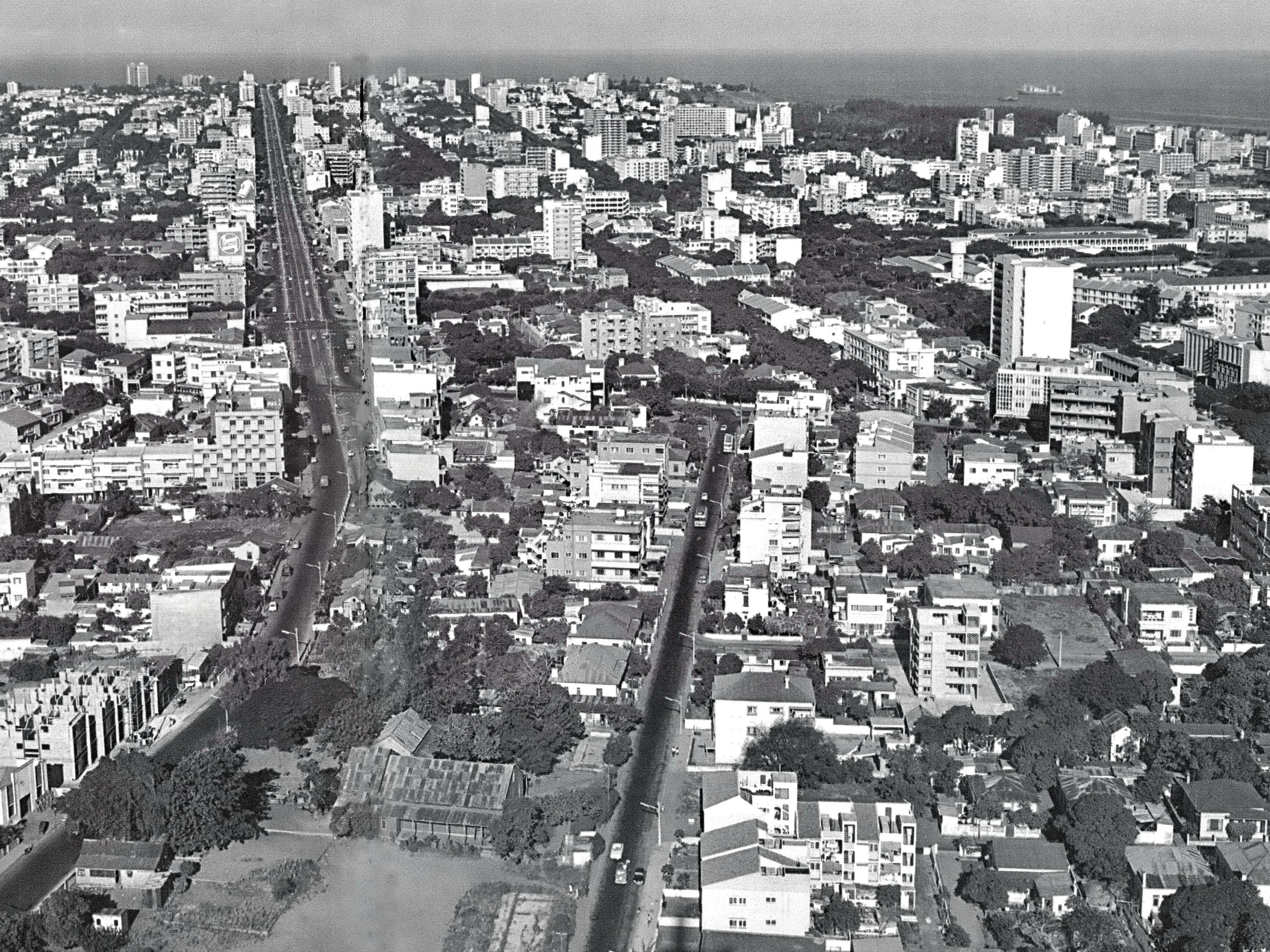
An aerial view looking north over the bairro of Alto-Maé, a blue collar suburb of Lourenco Marques. A little after Av. de Republica (Av. 25 de Setembro) was built and populated, the city’s planners decided to extended linkages with other parts of the city.
First going westward with the development of Av. Manuel de Arriaga (Av. Karl Marx) to connect the original commercial district, Baixa, with the outer suburbs. In the next phase of development a new connection was made between the eastern suburbs of Polana and the western suburbs through a new and very broad avenue such kind not built before, Av. Pinheiro Chagas (Av. Eduardo Mondlane). It is the only avenue in the city which has 4 center lanes and 1 lane at the far left and right as service roads.
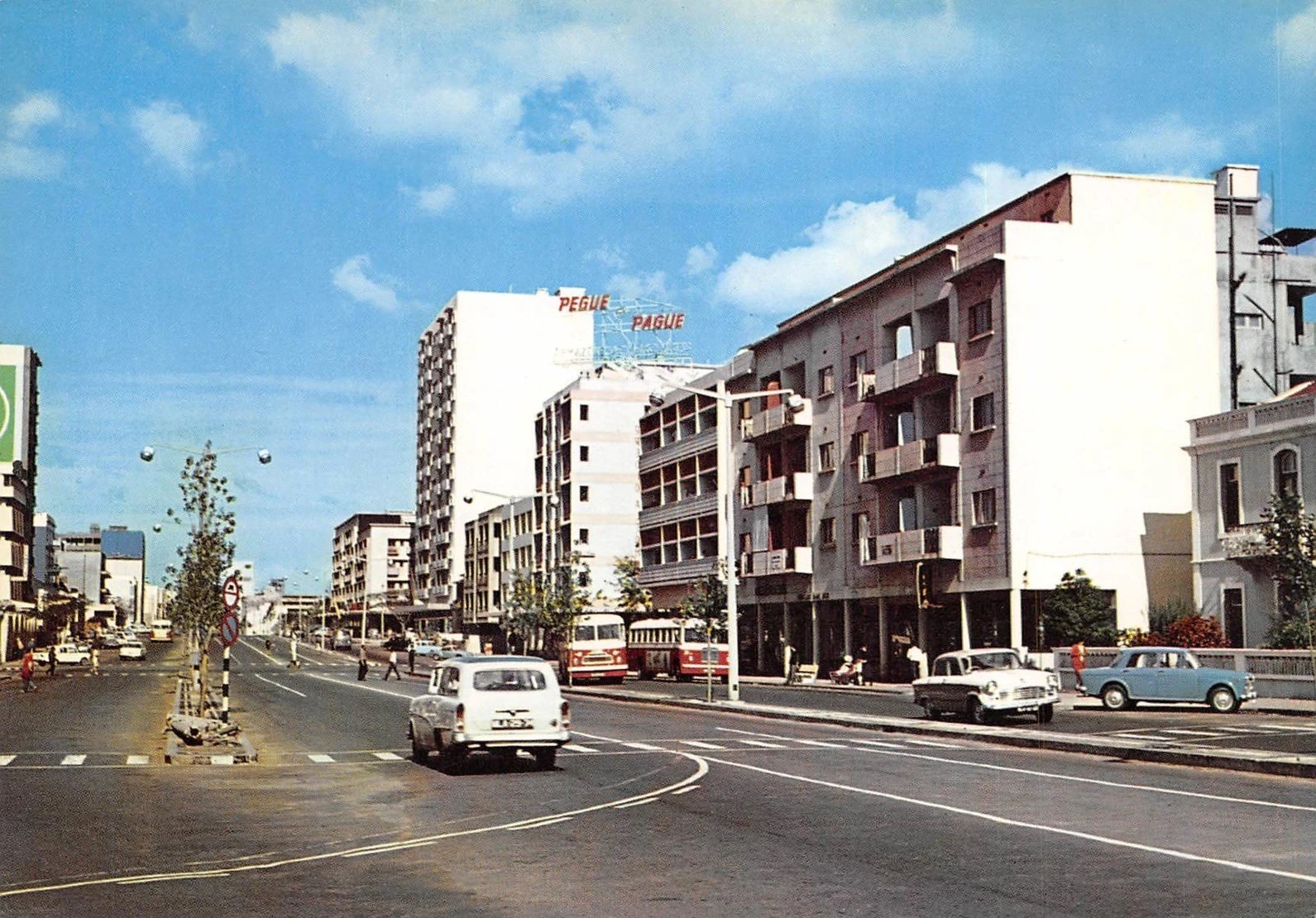
It is said that the point at which the Bairro Central ends and Alto Mae begins is the intersection between Av. Eduardo Mondlane and Av. Guerra Popular (before: Av. General Machado); its namesake “Ponto Final” was a marisqueira (snack and beer bar) on the corner of that road.

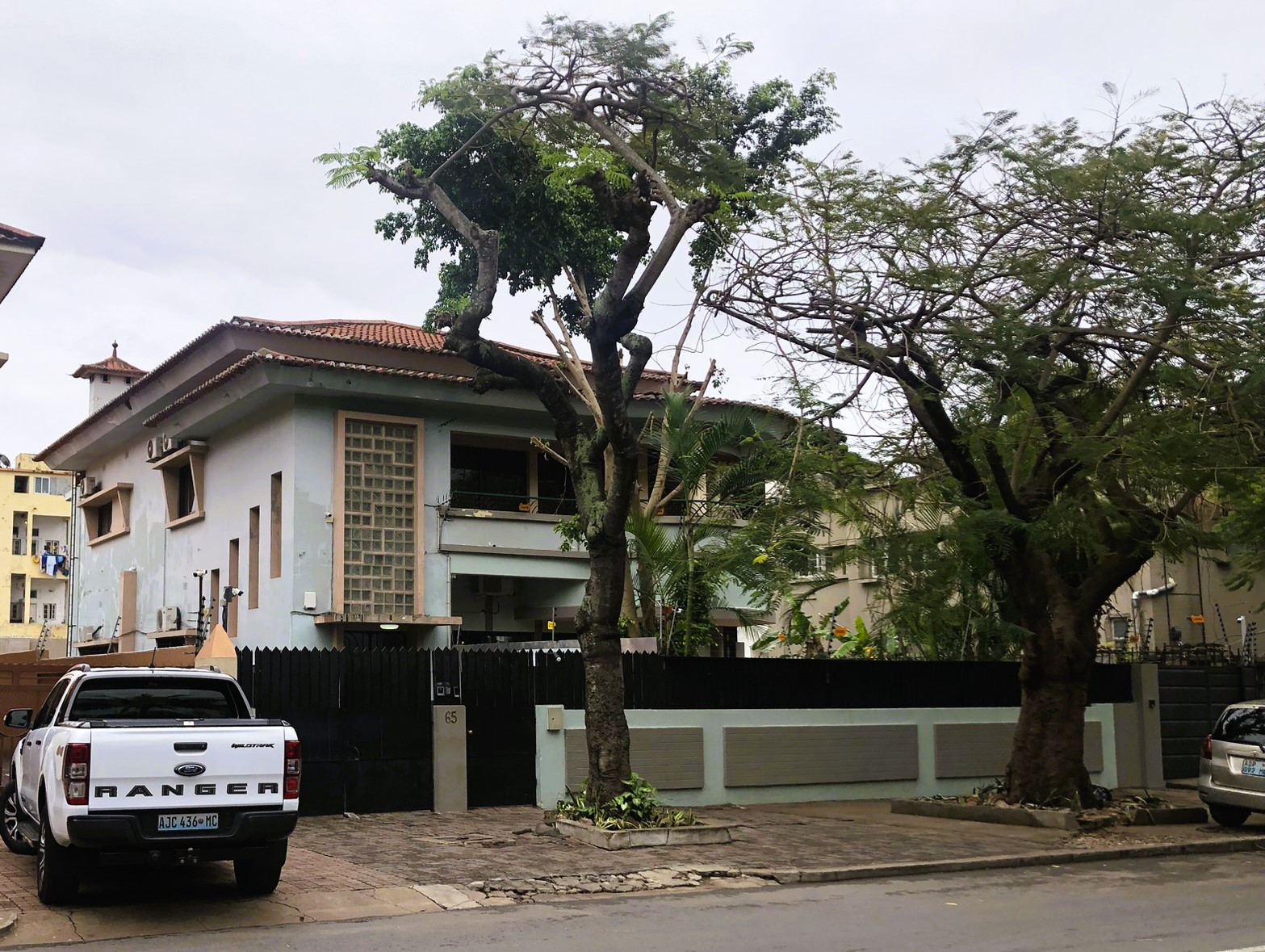
 Terra Velha