
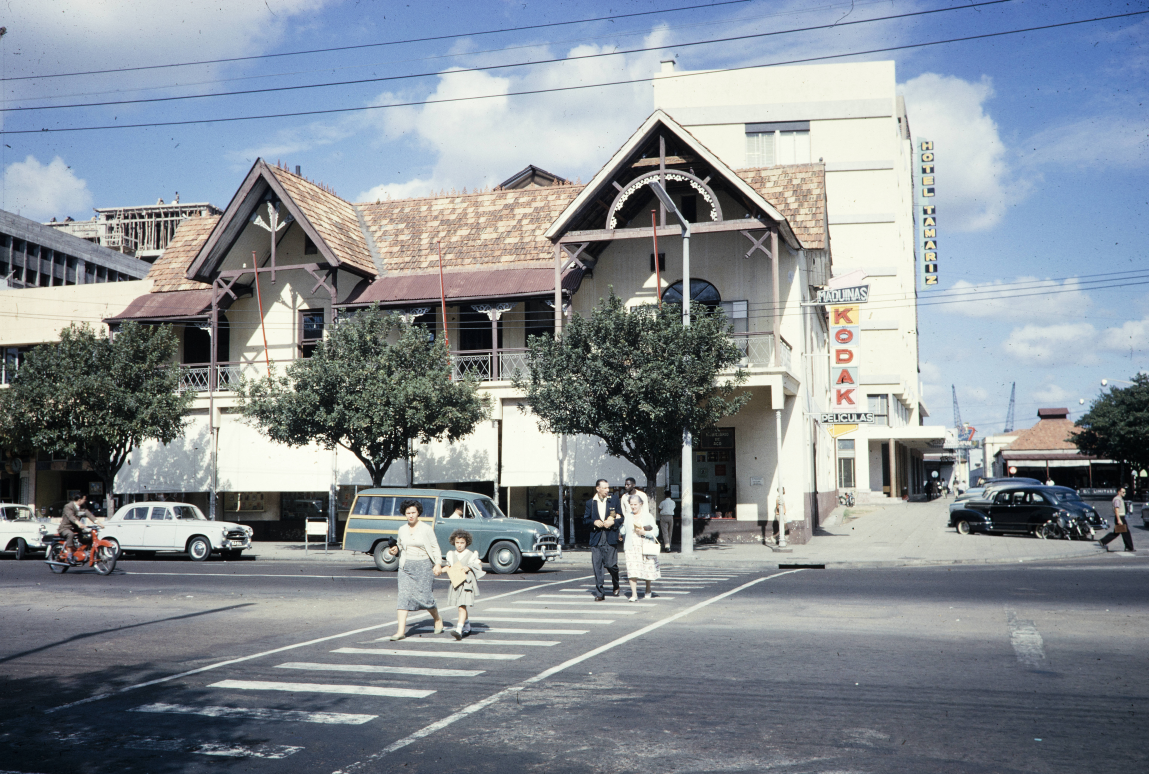
 No other film emulsion became as successful as Kodachrome. For 74 years it was the choice of not only consumers, filmmakers but even journalists, much loved for its romantic color reproduction and durability. The last roll was manufactured in 2009 and given to Steven McCurry, a prominent journalist of the National Geographic who made a movie on the last 36 exposures.
There was some hope a few years ago that Kodachrome would make a comeback but Kodak later clarified that the development process is too complex making it simply unviable and even dangerous for amateurs to self-develop. The resurgence of film photography has had to make do with other offerings including the Ektar and Porta (from Kodak) while still popular are much different to what was offered by Kodachrome.
So coveted is the Kodachrome look that there are now even options for presets and profiles which simulate the effect and although very convincing cannot match the elusive qualities that could be once had directly from a roll of Kodachrome. There are also now communities of film aficionados that careful scan old negatives using purpose-built equipment made available under creative commons licenses on the internet much to the delight of old and young sleuths.
 Volkmar Wentzel who was a journalist and photographer for the National Geographic magazine captured the above photo of a street parade in Guadalajara, Mexico. He seems to have been quite popular in the 1950s-1960s capturing these scenes on Ektachrome and Kodachrome.
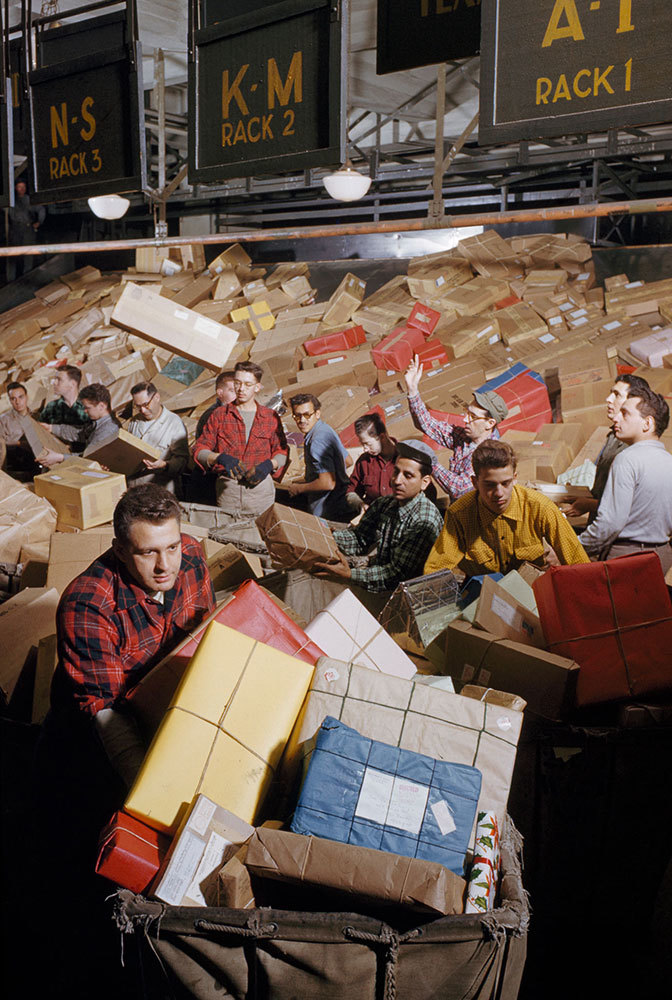
The film provides good saturation and exposes details in the shadows quite well. Greens and reds are highlighted and blues are sensitive to the sky’s natural gradient; very much adapted to how the eye would find an image pleasing. The image below is by Volkmar Wentzel for National Graphic Magazine, capturing the mailroom at a New York post office in 1954.
 It was completely by chance that I found myself at the Anglican Church of São Cipriano one Saturday morning in March. I was invited to participate at an inter-faith prayer meeting held by the Council of Religions of Mozambique in respect of the worsening situation in Cabo Delgado which was by now a more than a skirmish between a headless Al-Shebaab offshoot and the meagre forces of the Mozambican Defence Forces, the FADM.
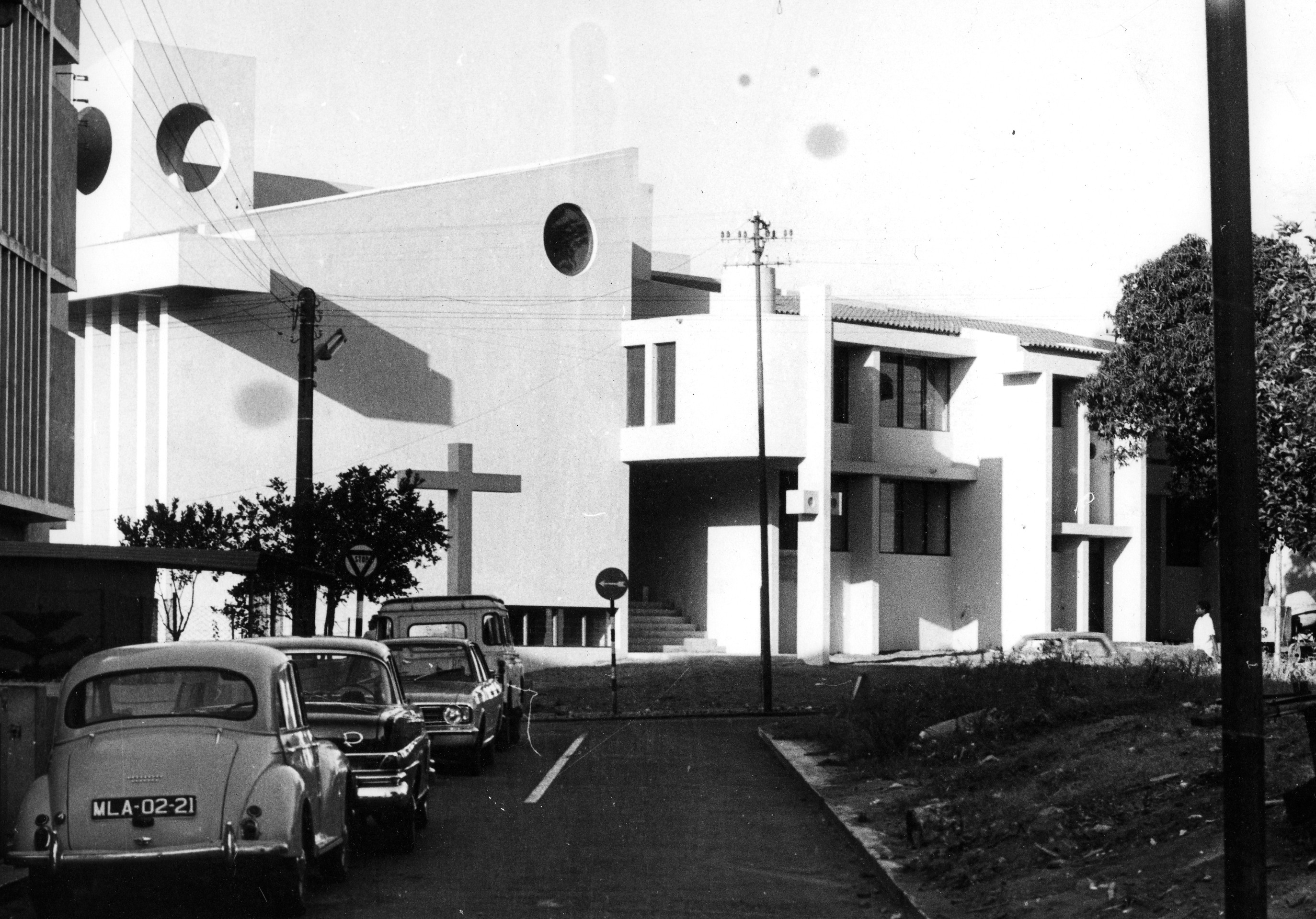
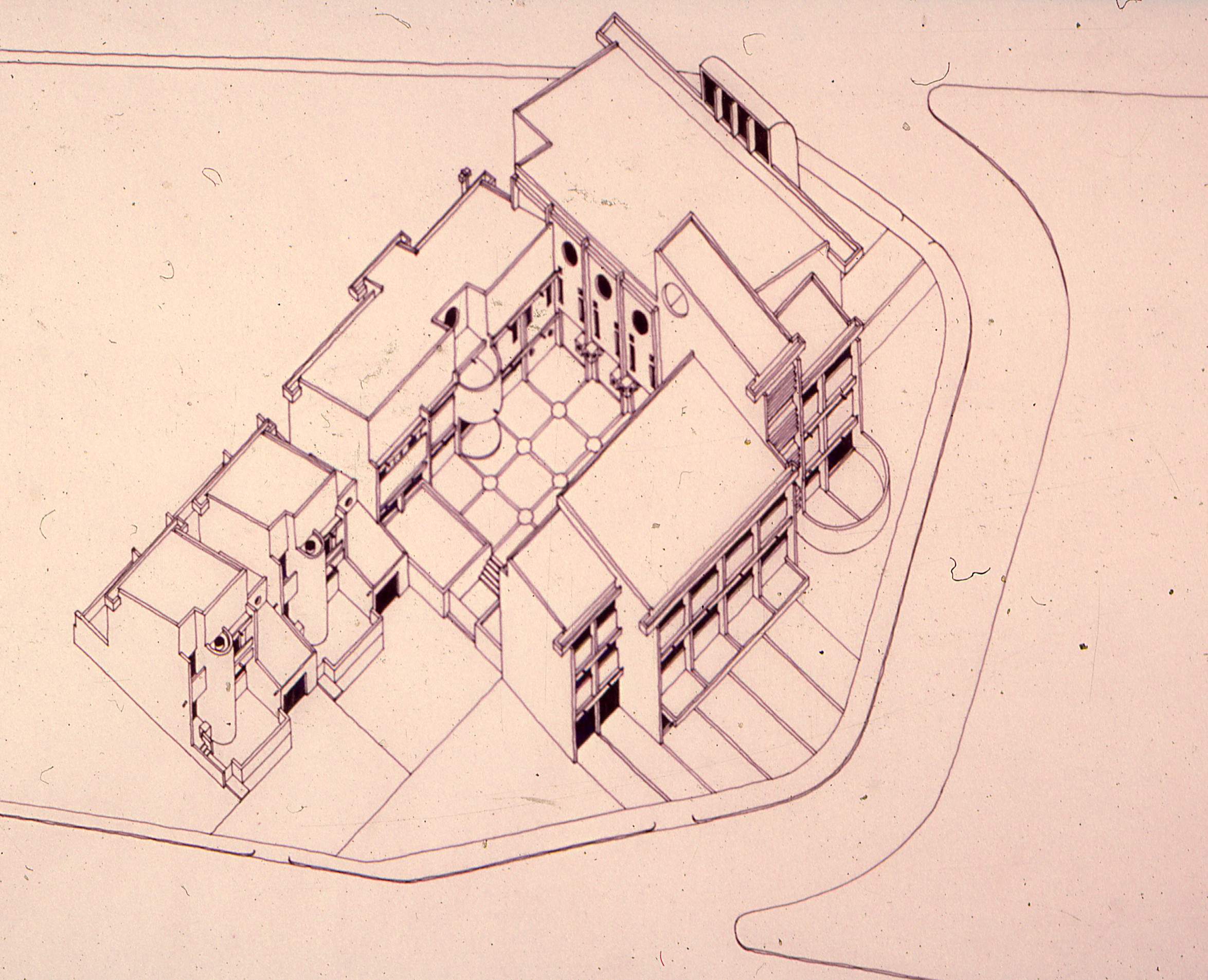 The original structures had fallen into increasing disrepair by the middle of the 20th century and with funds mobilized internationally from the United Kingdom, USA and The Gulbenkian Foundation plans were drawn out for the demolition of the old structures and its replacement with the new complex, as above. The original design was conveniently accessible from two roads which are today Av. do Trabalho and Av. do Rio Tembe however, with the erection of additional buildings the entire complex was eventually closed off with a boundary wall.

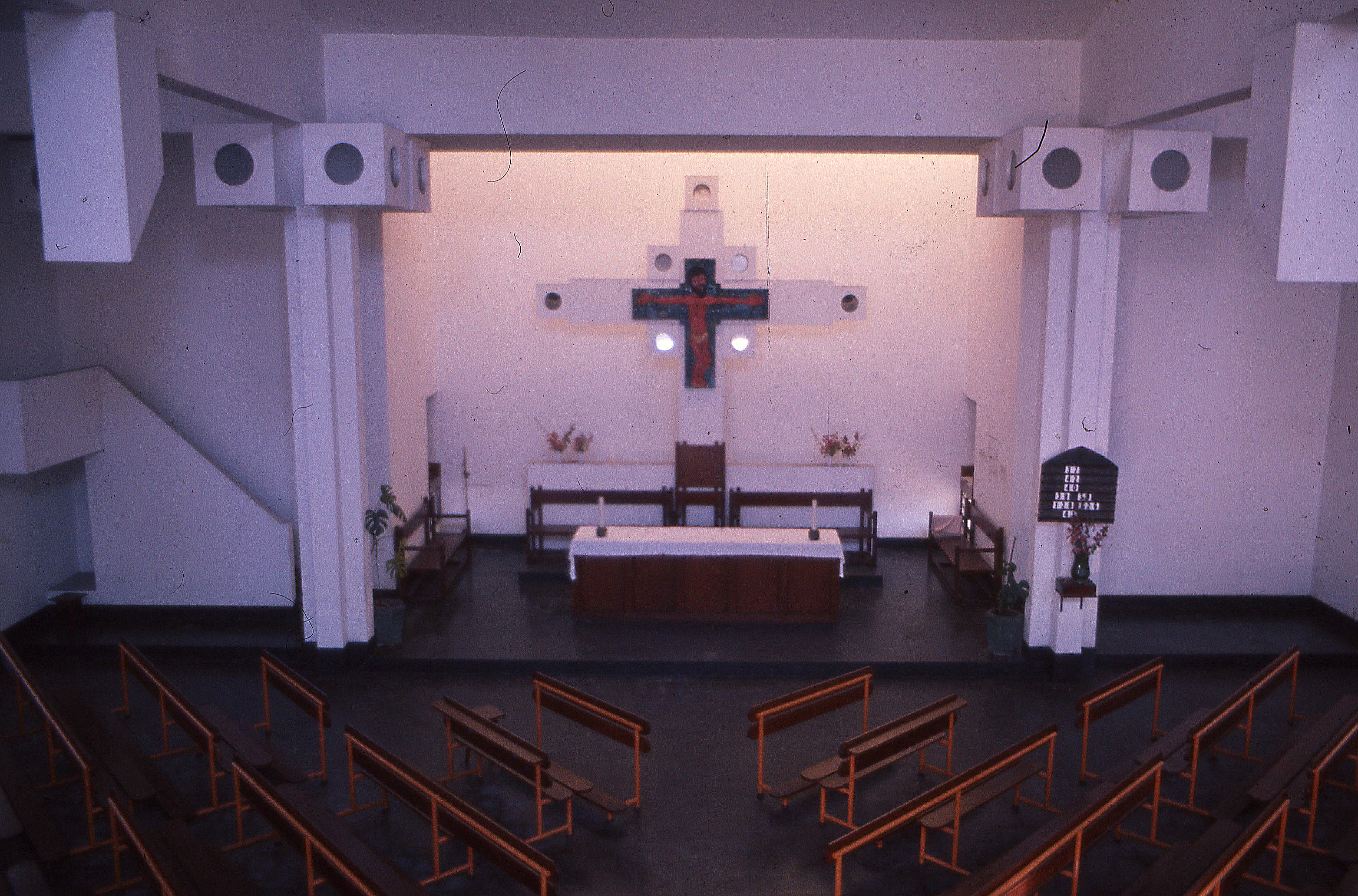
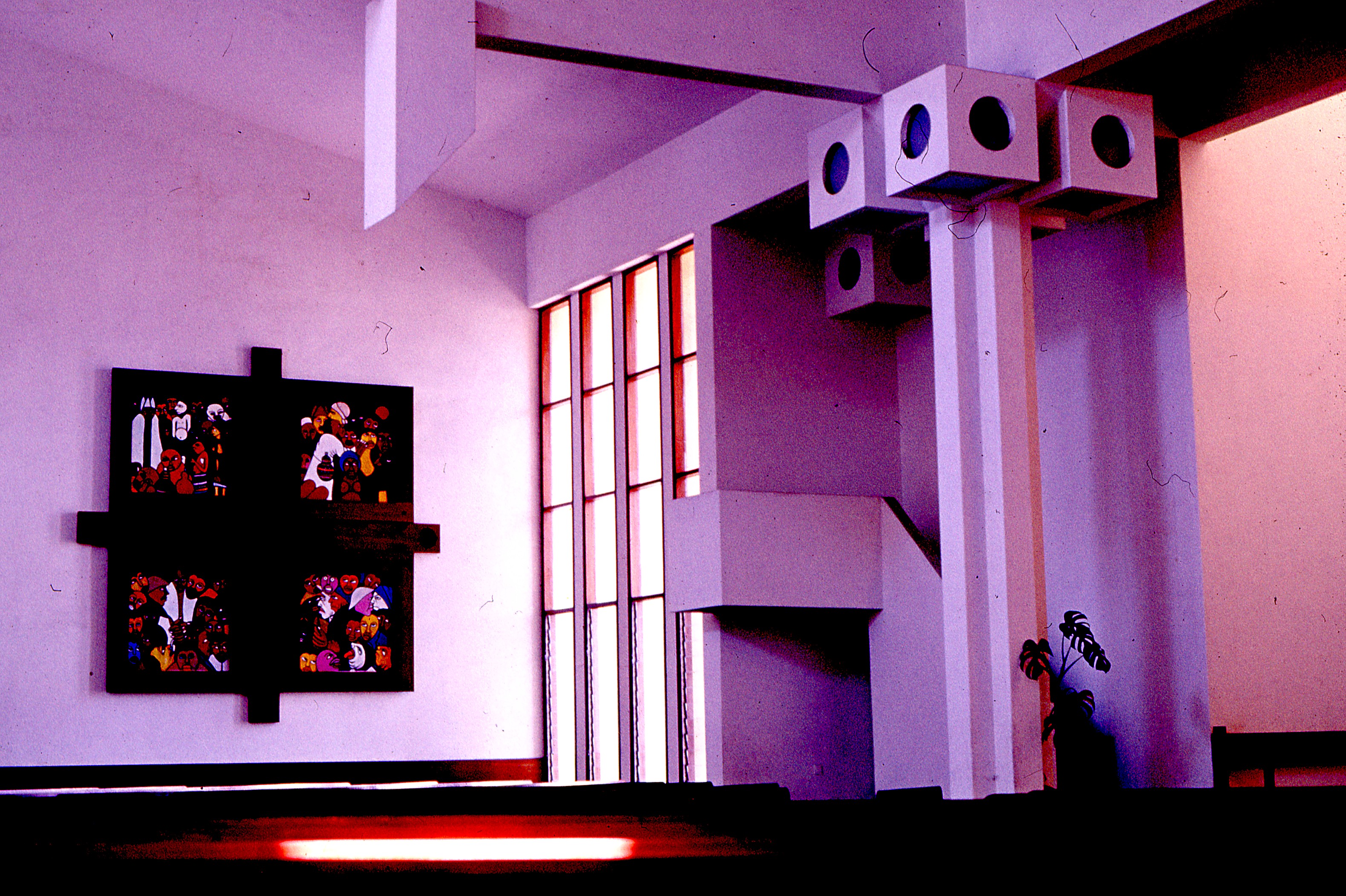

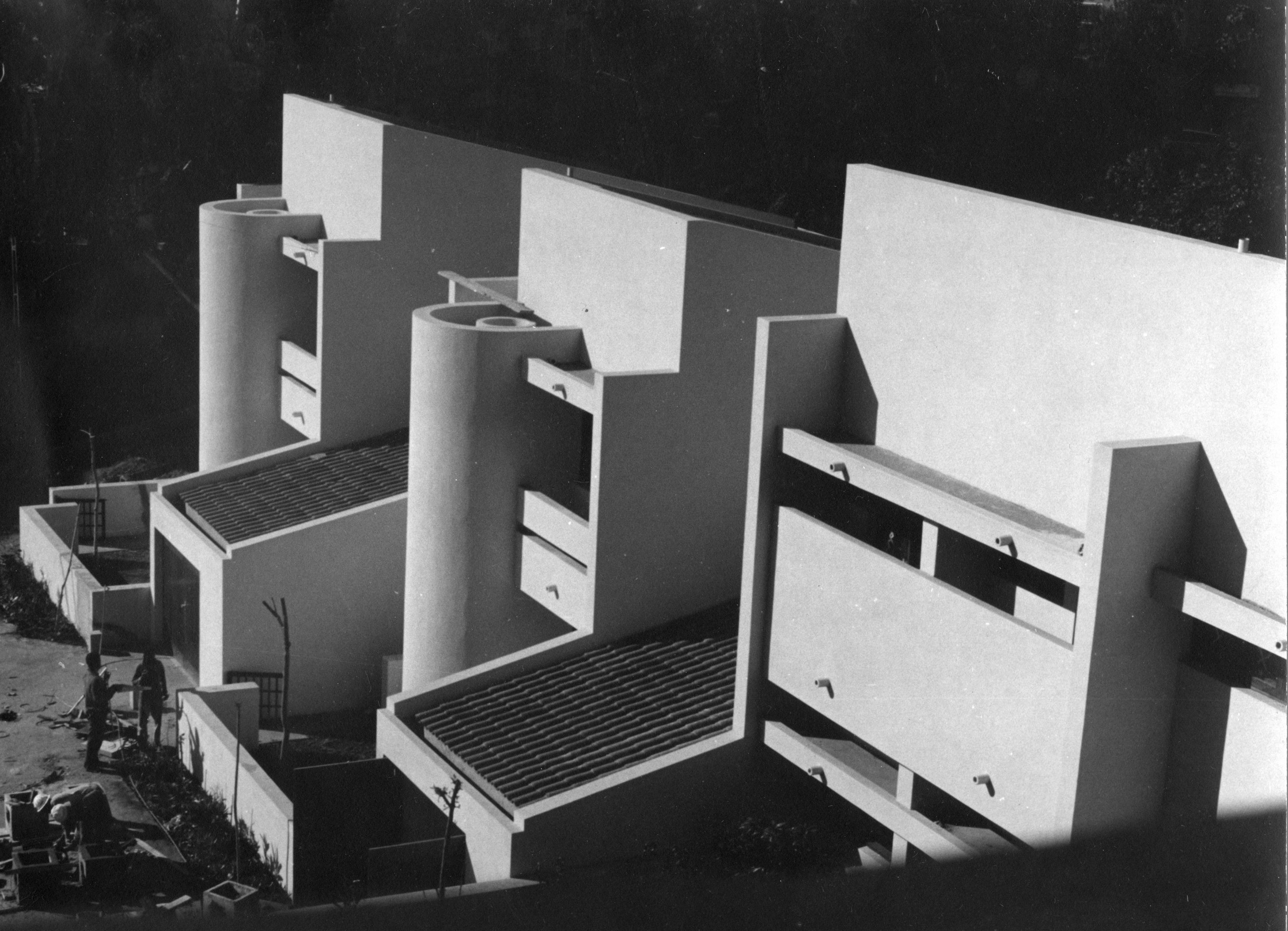 A view from a nearby street accentuates the complex’s unusual angle of implantation – I can hear moaning first-time visitors to the church as they try to find their way to the chapel – “is this the front or back of the building?“
 A plaque in the corridor beside the patio reads…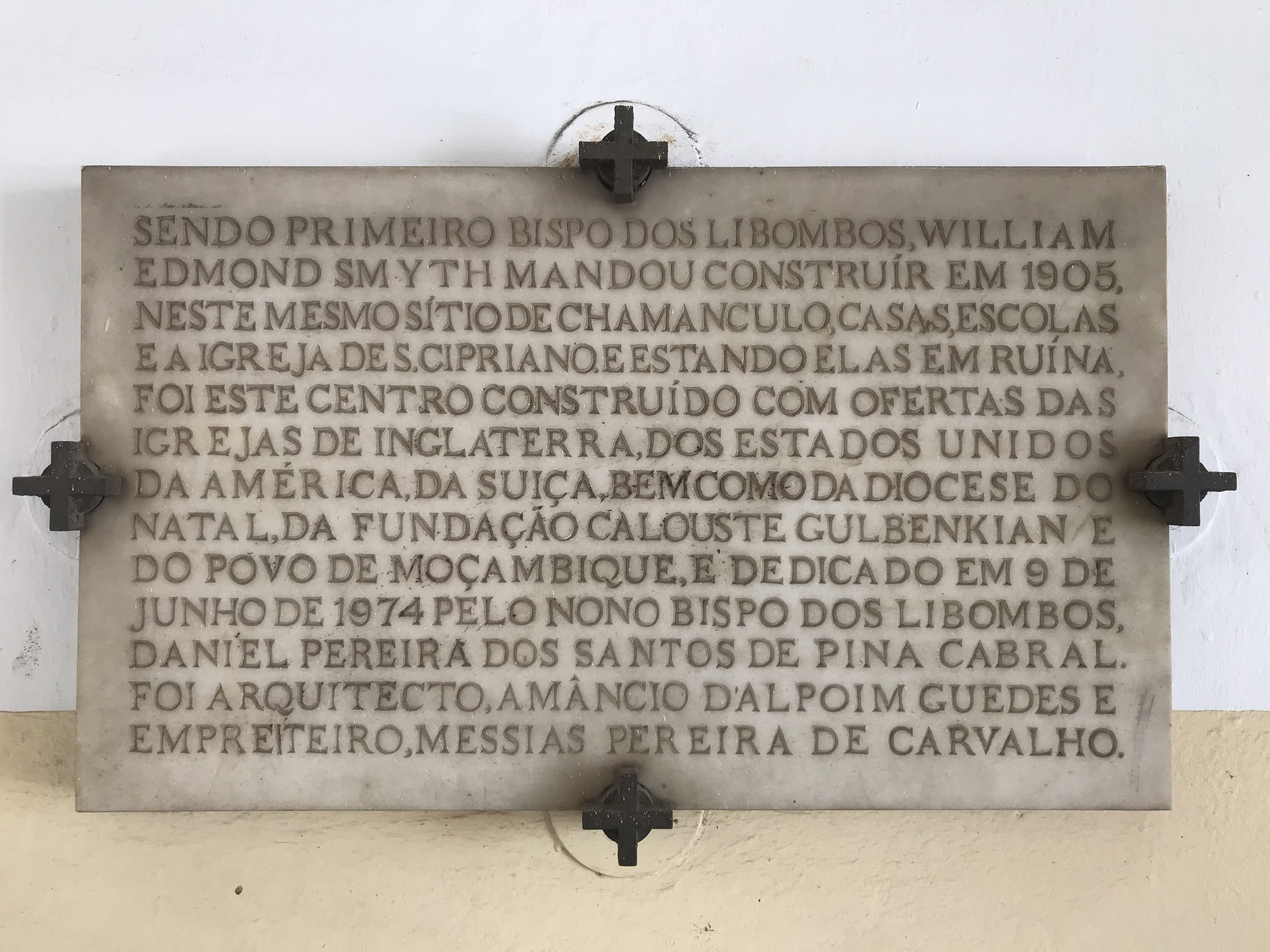
 Terra Velha