
 Harrison Forman should be a name familiar to anyone who has read the history of Mozambique. Born in 1904 he made a career out of photography and journalism and to some extent film-making. Working on assignments for The New York Times and National Geographic took him to various corners of the world. Some highlights of his career include an interview with Mao Zedong, a communist revolutionary and founder of the People’s Republic of China.
The University of Milawaukee appears to have the most extensive collection of his material, bequeathed to it after his passing in 1978. These include spiral diaries of notes taken while visiting Asia and Africa and a collection of photos numbering several thousands.
The material suggests him to be active between the years 1930-1960 and perfectly positioned to capture some of the 20th century’s most historic moments.
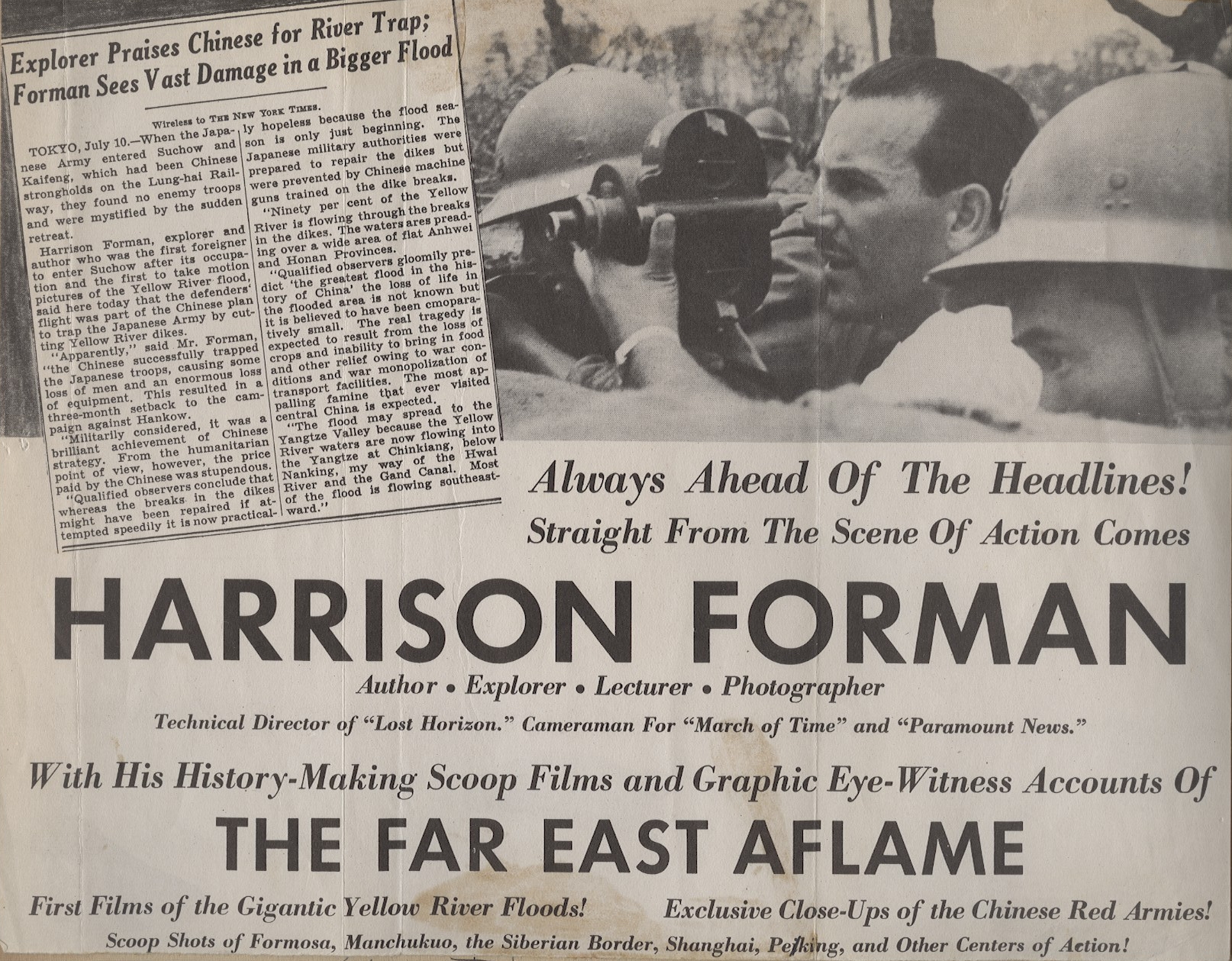
Given Harrison’s habitual liking for action, we assume the beginning of the Portuguese War of Independence led him to make two visits to the colonies in 1961. There are many images available of his visits to both Angola and Mozambique. His visits to the then colonies turned out to be least what he expected as he found in both countries modern metropolises, vibrant economies much different to continental Europe at that time. Mozambique for example was strongly influenced by English culture, South Africans; Coca-Cola and LM Radio was belting pop music non-stop.
The following are some of the aforementioned spectacular photos of the main points of interest in Lourenco Marques and of its inhabitants going about their daily lives as captured by Forman.
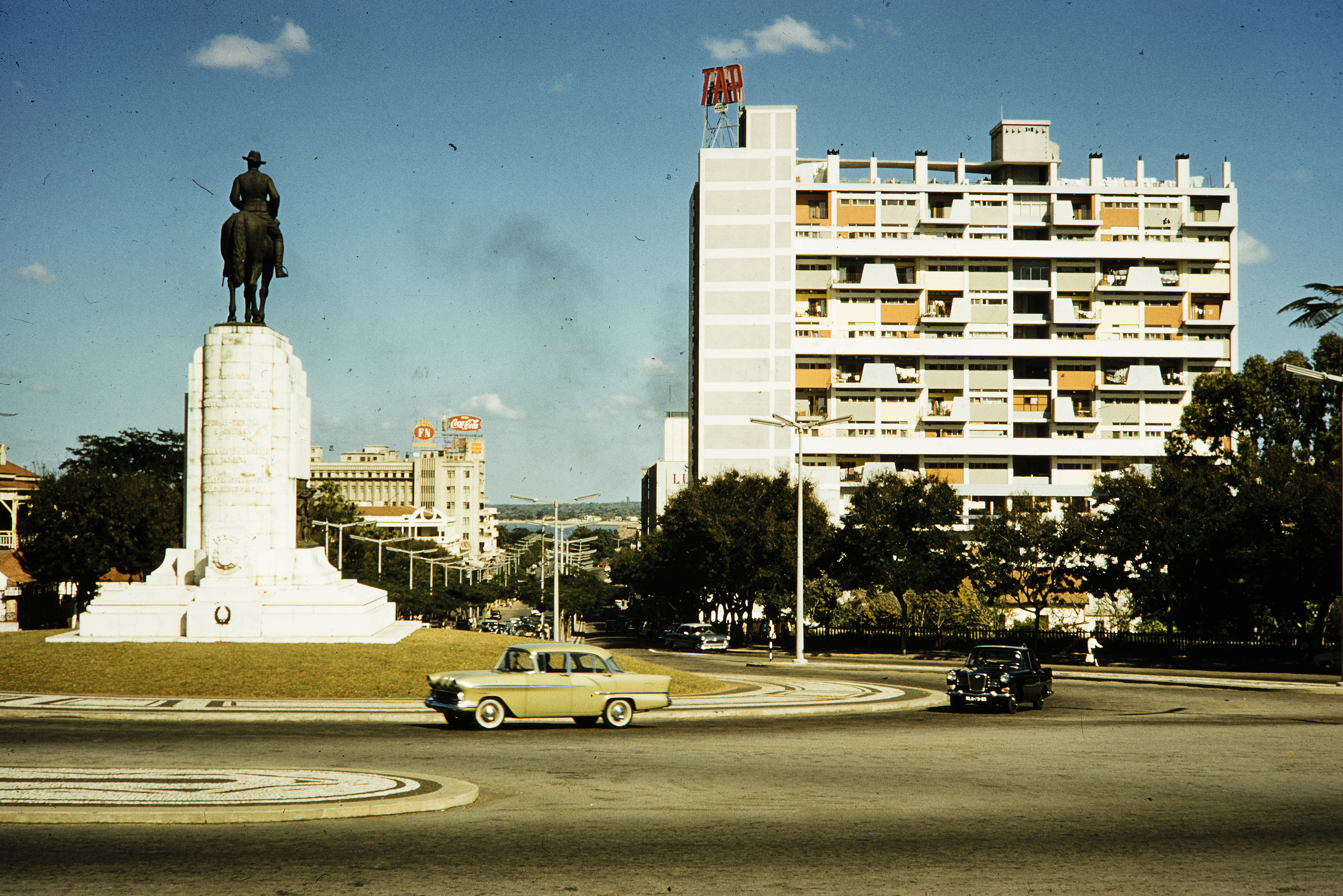
Above: Praça de Mousinho de Albequerque with Avenida de Republica, the city’s main commercial avenue of the time in the distance
A scene which appears to have been fairly common in the city is captured below. Many Portuguese would leave for the colonies, lured by better wages and living conditions. These included skilled workers such as carpenters and masons who would rely on African labourers to do much of the hard work. An unfair reality it was but one that has contributed to the beautification of the city which would not have been possible at this scale otherwise.
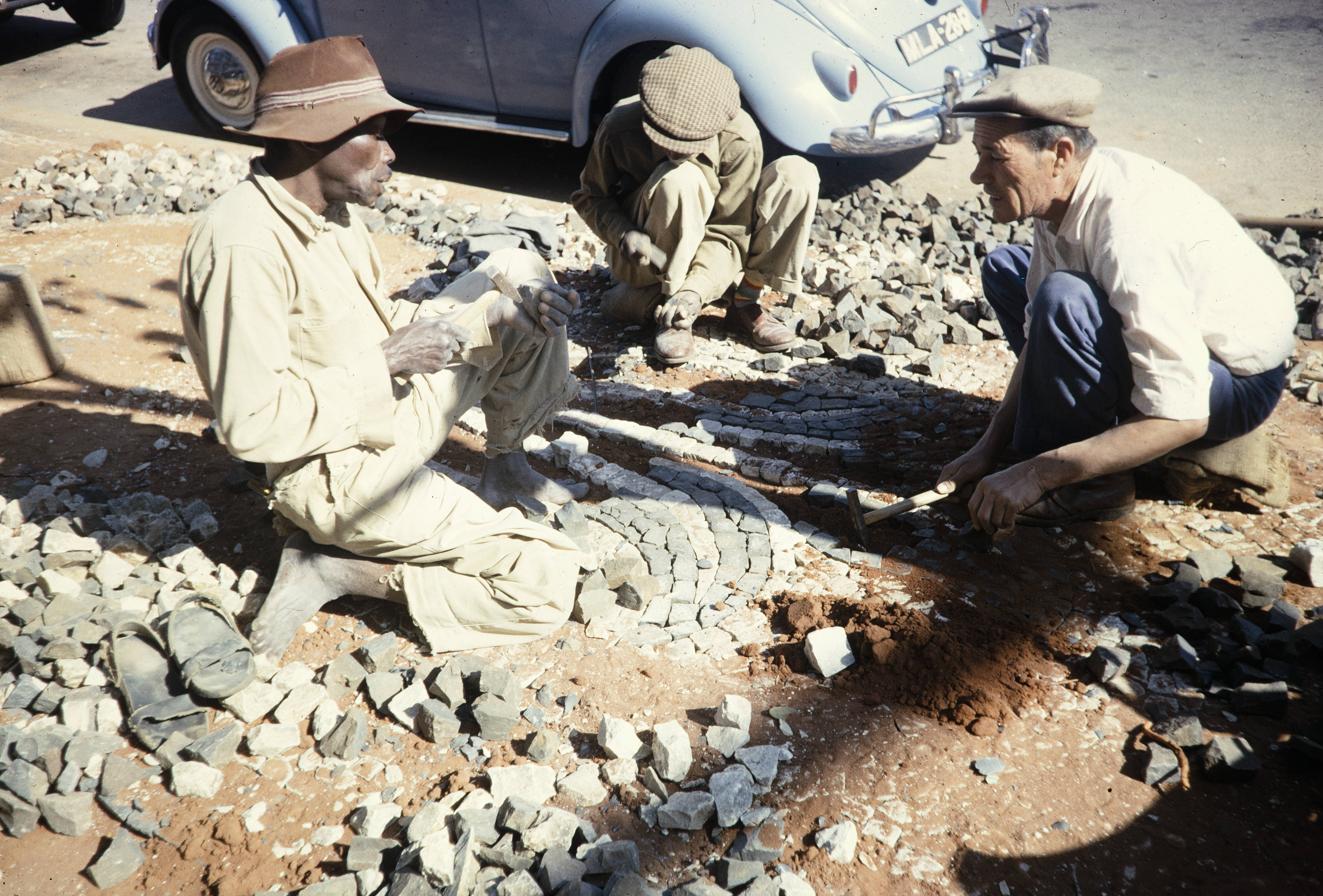
Above: Calçada is a style of Portuguese paving done by cutting stone into individual pieces and laying them in ornate designs.
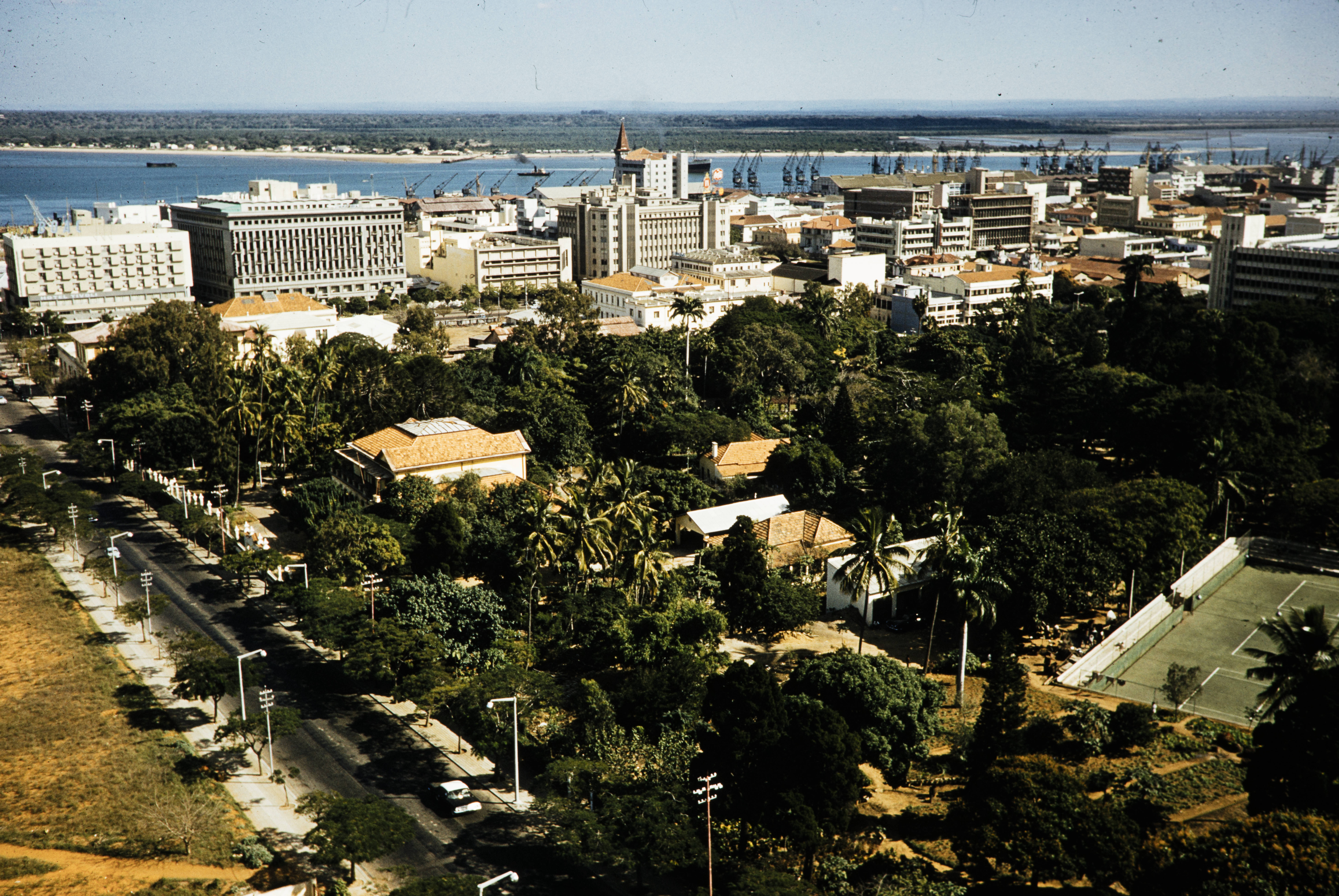
Above: An aerial view of the Jardim de Vasco de Gama, with the bay in the distance and the buildings on Avenida de Republica
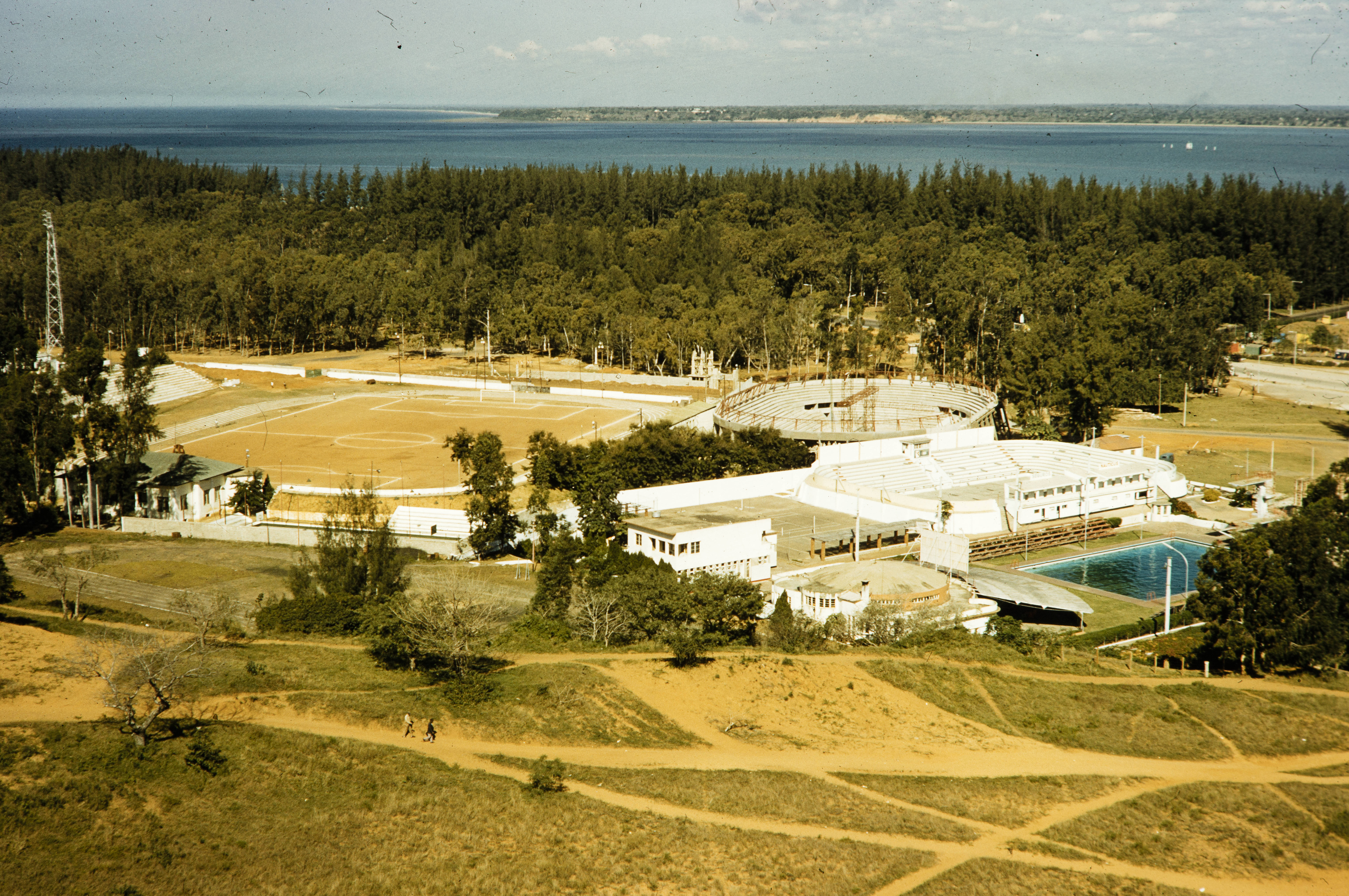
Above: The GDLM (Sports Club) and the eucalyptus forest that was on the edge of Avenida de Republica
 Terra Velha